Vecinos Invisibles del Atlántico Sur
Three threatened coastal species share the exact strip of shallow water that borders Blue Flag beaches — and almost nobody on the sand knows they are there. A physical and digital kit for the environmental education activities Blue Flag beaches are required to run.
The concept
The three species chosen share exactly the strip of shallow water that borders Blue Flag beaches, are threatened by the same two causes — incidental capture and coastal habitat degradation — and are practically invisible to anyone spending the day on the sand. The kit makes that neighbourhood visible: not an abstract ocean, but these three neighbours, in this metre of water, today.
Three coastal neighbours
Printable species sheets (Spanish)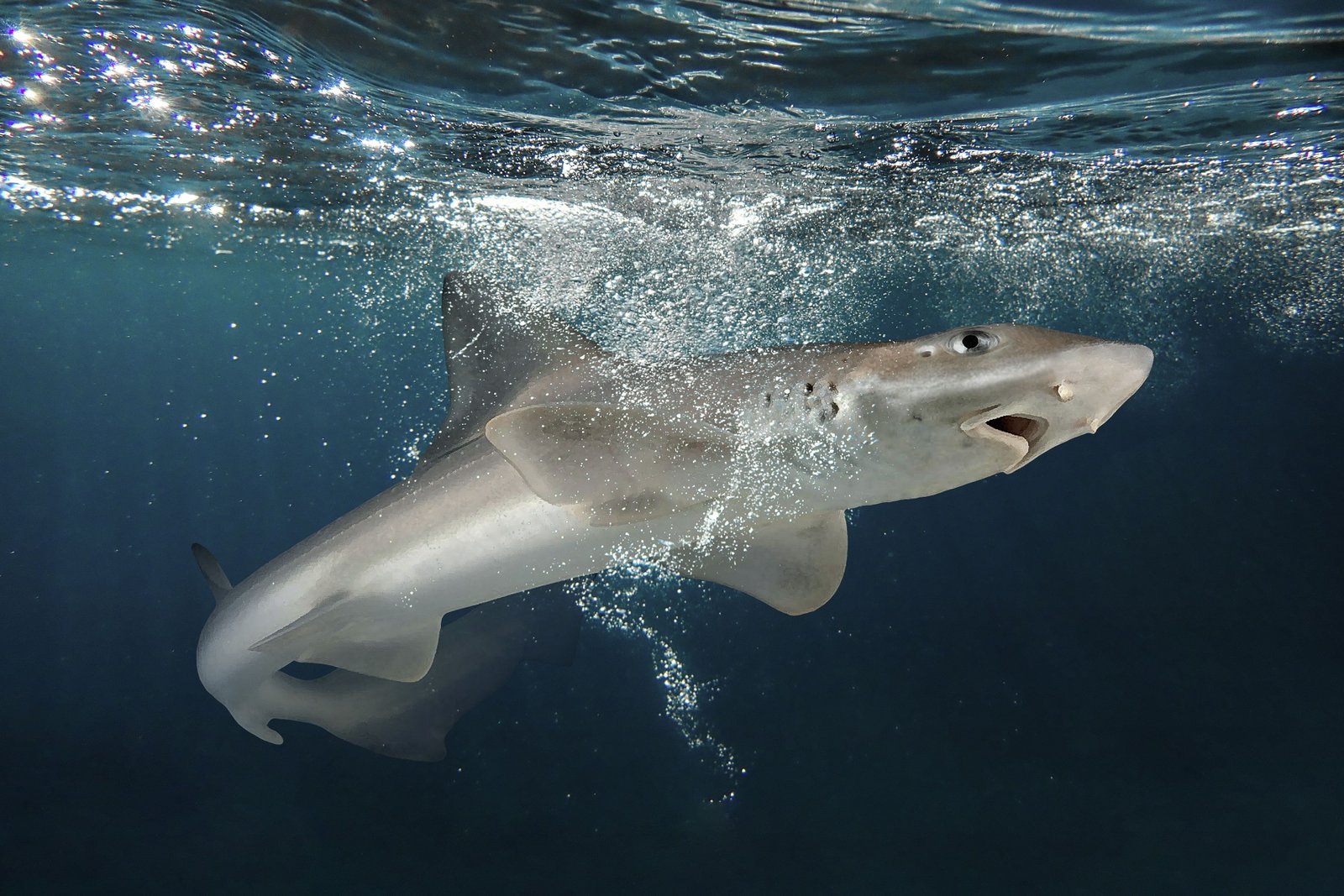
Gatuzo
A small bottom shark sold, filleted and unrecognised, in fish shops across Argentina and Uruguay — while its population has fallen more than 80% in three generations.
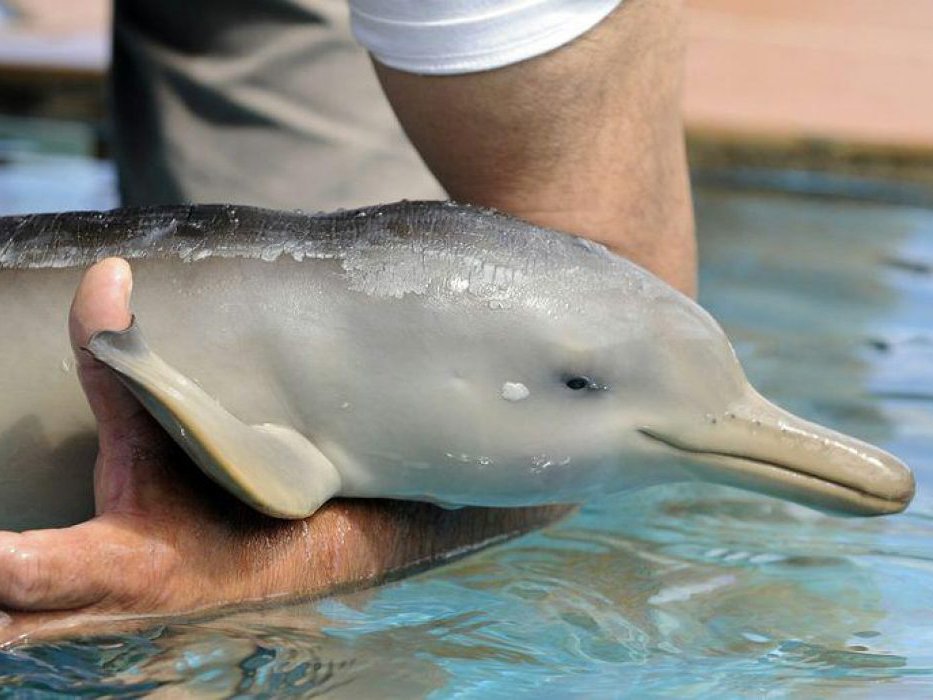
Franciscana dolphin
The most threatened small cetacean of the south-west Atlantic. Too shy to ever be seen alive by most people — the only encounter most people will have is a stranding.
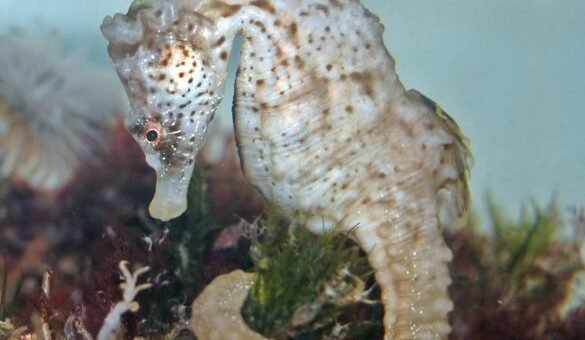
Patagonian seahorse
Described for science only in 2004. Found clinging to piers and breakwaters in beach towns — including, sometimes, to a lost fishing line.
Side by side
| Gatuzo | Franciscana | Patagonian seahorse | |
|---|---|---|---|
| Group | Shark | Dolphin (cetacean) | Bony fish |
| Adult size | up to ~1 m | 1.3–1.7 m | 6–15 cm |
| IUCN status | Critically Endangered | Vulnerable | Vulnerable |
| Assessment year | 2020 | 2017 (errata 2018) | 2017 |
| Estimated decline | >80% in 3 generations | decreasing trend | ≥30% |
| Main threat | Targeted & incidental fishing | Gillnet entanglement | Habitat loss + trawling |
| Where it lives | Continental shelf floor | Coastal strip <50 m | Shallow substrates, to 15 m in AR |
| Reproduction | Live-bearing, few pups | 1 calf, long gestation | Male incubates and gives birth |
| Why you never see it | Lives on the seafloor | Shy, murky water | 10 cm and camouflaged |
What's in the kit
A. Printed materials
- Three species sheets, A4 double-sided, laminated, sand and water resistant.
- Three life-size silhouettes — printed vinyl or marked rope on the sand: gatuzo 1 m, franciscana 1.5 m, seahorse 12 cm.
- Information-panel poster (matching the beach's Blue Flag panel format), with a QR code to this page.
- Stranding & sighting field card — what to do and who to call.
- "Vecinos Invisibles" passport for kids — three stamps, one per species.
B. Educator materials
- Activity guide — six activities, with variants by age group and duration (see below).
- 3-minute script for lifeguards and beach staff — the minimum version, for when there's no time for a full activity.
C. Digital
- This project page, with the three species sheets downloadable as print-ready PDFs.
- A citizen-science project on a biodiversity recording platform, where visitors upload their own observations.
Six activities
| # | Activity | Species | Age | Duration | What it does |
|---|---|---|---|---|---|
| 1 | The shadow of the wave | all three | 6+ | 20 min | Life-size silhouettes marked on the sand, side by side. Participants lie down next to each one — the size comparison does the work on its own. |
| 2 | Who's left in the net? | franciscana | 8–13 | 30 min | Role-play with a rope net. Some are fishers, some are franciscanas. Played twice — with a standard net and a modified one — then discussed. Introduces incidental capture without blaming the fisher. |
| 3 | Pregnant dad | seahorse | 6–9 | 20 min | Seahorse life cycle with the brooding pouch. Kids act out the sequence. The activity people remember. |
| 4 | The shark at the counter | gatuzo | 14+ & adults | 45 min | Field investigation: what commercial names are used at local fish shops, what's actually being sold. Ends with the gatuzo's IUCN category. The highest-impact activity with adult audiences. |
| 5 | Eyes on the shoreline | all three | 10+ | 30 min + ongoing | Walk along the tideline. Every sighting is photographed and uploaded to the citizen-science platform; the stranding protocol is taught. Turns a visitor into a permanent observer. |
| 6 | Substrate | seahorse | 10+ | 40 min | Observation of what's attached to breakwaters, piers and lost gear. Living substrate vs. rubbish substrate. Closes with removing abandoned lines. |
Ready-made modules
Languages
| Piece | Language |
|---|---|
| This project page | English |
| Species sheets | Spanish primary; English and Portuguese versions for regional replication |
| Educator guide | Spanish |
| Stranding field card | Spanish |
| Poster | Spanish + English |
Portuguese matters: all three species are shared with Brazil, which already has coverage on this site. A trilingual kit is directly replicable by the Brazilian operator.
Indicators, published each season
This project is financed with the proceeds of Blue Flag News. Subscriptions from national operators, municipalities and programme suppliers convert directly into environmental education on South Atlantic beaches.
Support this work →